
Campetella: Automation and 3D printing are transforming industrial production
Campetella Robotic Center Srl is now one of the key players in industrial automation. The company operates in 40 countries worldwide and produces approximately 500 robotic systems per year, used across a wide range of industries — from packaging, pharmaceuticals and healthcare to household goods and automotive production.
Today, automation means industrialisation
Automation has undergone a major transformation in recent years. While in the past it was mainly about making operators’ work easier, today the main goal is maximum efficiency and shorter production times.
One specific area in which the company operates is In-Mold Labeling technology. This is highly dependent on the shape of the mold, which can vary significantly. This variability places high demands on the flexibility of design and production of individual components.
“Automation has changed somewhat over time. When we started, the aim was to create something that would make operators’ work easier. Today, automation means the industrialisation of processes with increasingly shorter times,” says Carlo Campetella, Chairman of Campetella Robotic Center Srl.
3D printing as a key milestone
The arrival of 3D printing marked a major turning point. The technology opened up new possibilities in design and production that were previously difficult, or even impossible, to achieve.
“The arrival of 3D printing was a huge step forward, opening up a world limited only by imagination. The flexibility enabled by the technology has changed the design of customised systems and accelerated the development of prototypes and new projects,” explains Elia Campetella, CEO of Campetella Robotic Center Srl.
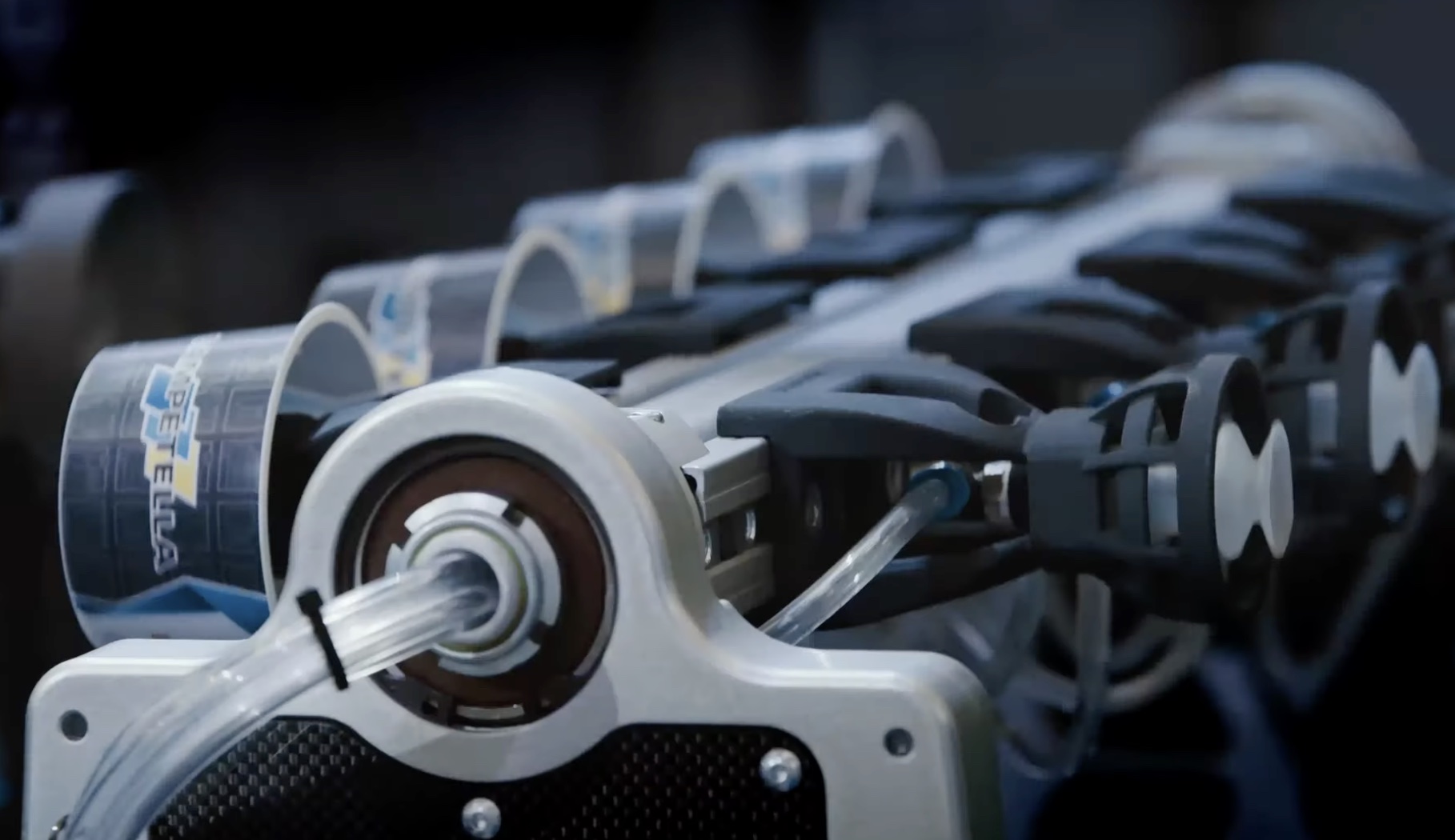
Today, 3D printing in the company’s production lines is mainly used for customised, purpose-designed components — grippers, pads and label holders. These parts are crucial for both handling precision and speed.
Marino di Giampaolo, Project Engineer at Campetella Robotic Center Srl, adds that 3D printed parts allow for gripping systems that are as good or better than traditional manufacturing, resulting in more efficient machines with lower energy consumption and better cycle times.
Specific benefits: lower weight, shorter time to market
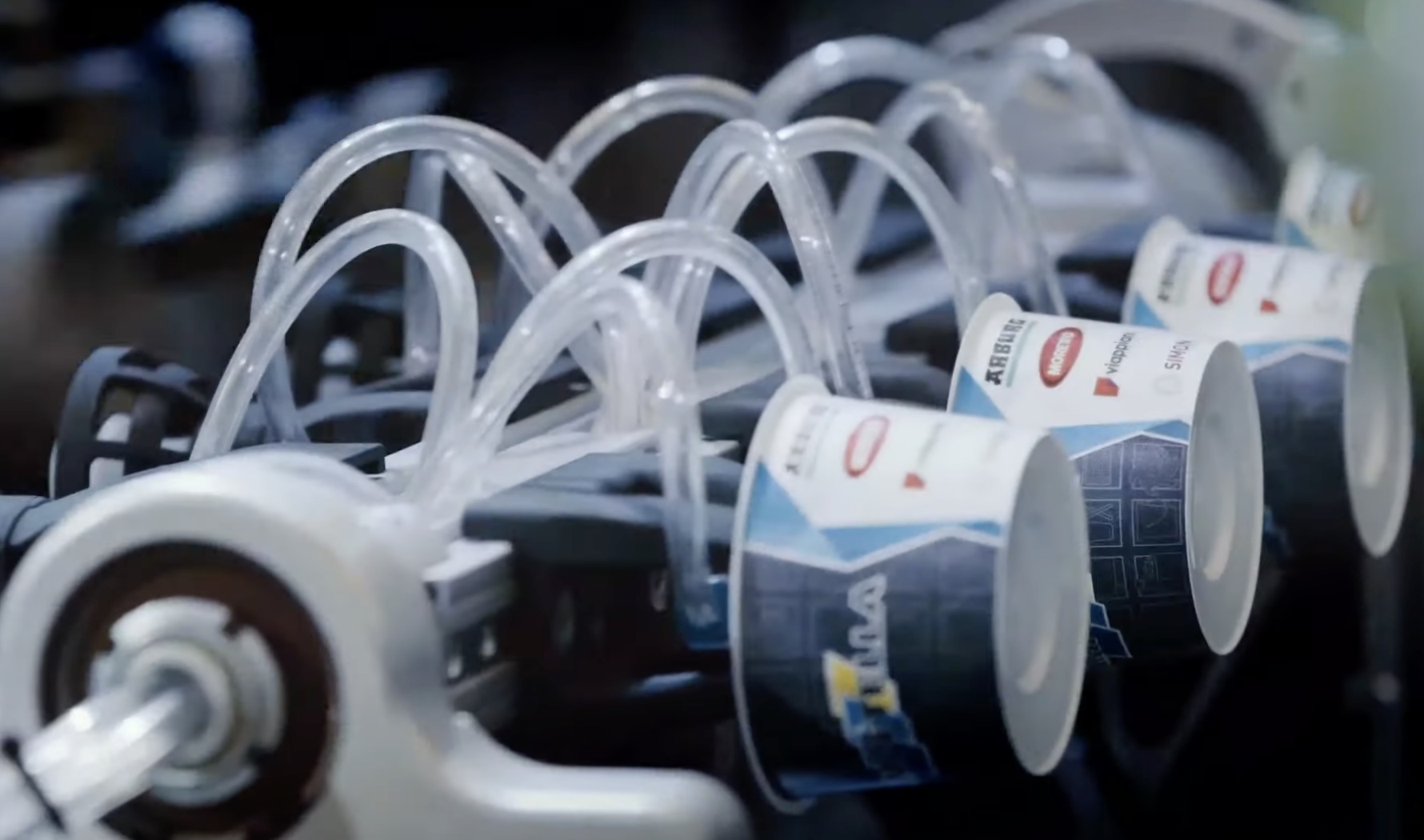
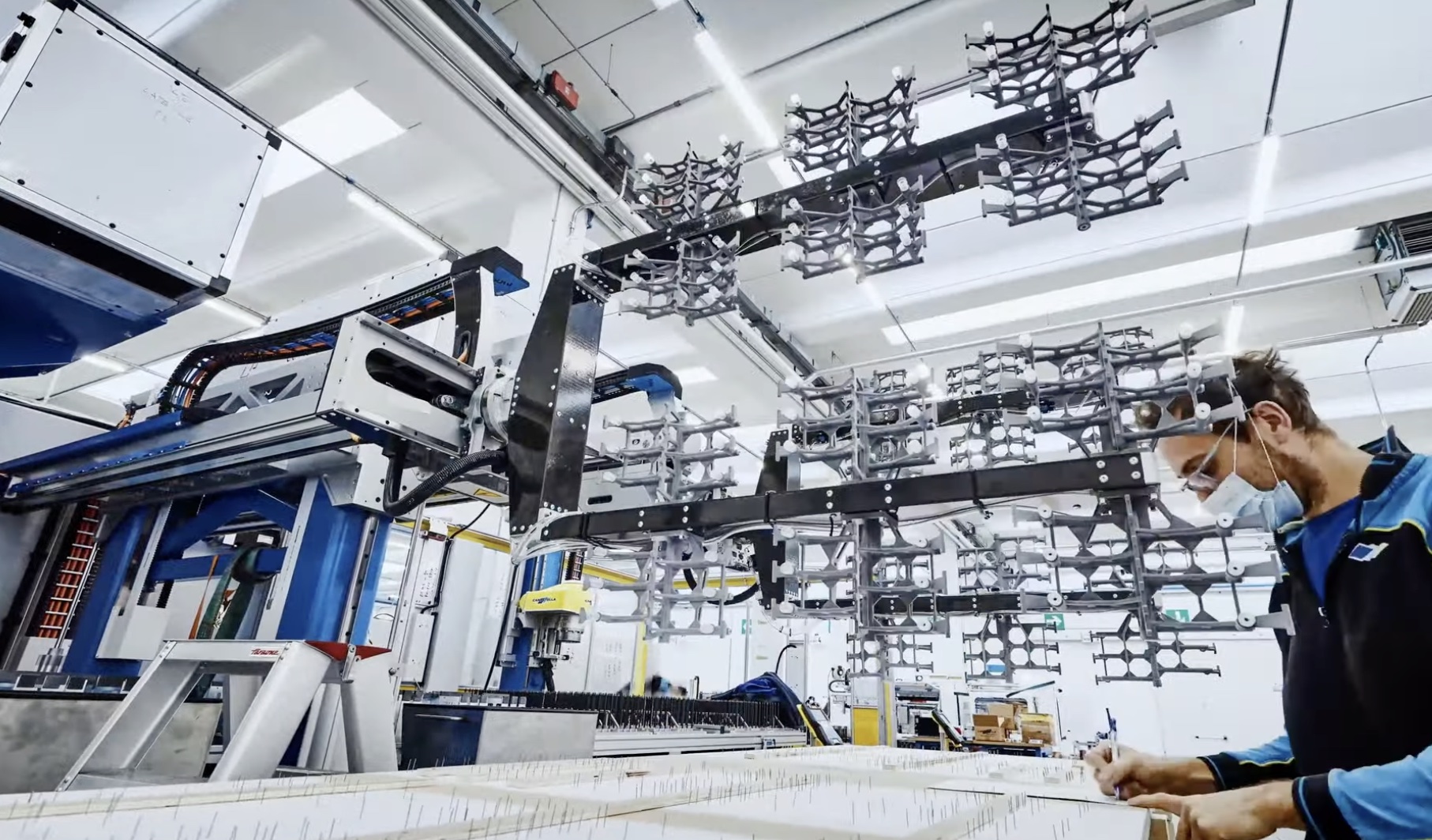
The implementation of 3D printing has also delivered measurable results. For example, the company managed to reduce the weight of spindles in labeling systems by 50% compared with previous production by turning. At the same time, the time to market for the same tools was reduced from eight to four weeks thanks to significantly faster production of these components.
The technological background and service support provided by HP Inc. also play an important role. From Campetella’s perspective, not only service but also technological security and assistance are essential. Being able to rely on a strong global partner means fast and effective support when solving technical challenges.
Today, 3D printing enables the company to produce a special machine that visually and qualitatively corresponds to a serial product, even though it is the first prototype. Automation is therefore no longer just about simplifying work — it is becoming a tool for full industrialisation, with a focus on speed, flexibility and performance.
How Campetella uses advanced HP 3D printing to produce parts for IML systems
- shortens and reduces the cost of production
- enables shapes to be produced that were previously complex or impossible
- reduces part weight and therefore the energy consumption of the entire IML system
- modern technology for higher efficiency and lower production costs
